ATLAS
Customers
Developers
Mural Artists
Case Studies
WHAT WE DO
BLOG
ABOUT US
Contact Us
Login
Sign Up
sign in
Sign Up
Mural Art Styles for Commercial Real Estate:
A Developer's Selection Guide
Explore the most common mural styles used in real estate, how they perform, and which styles are best suited for your property goals.
Jay Kaes
Learn More
Post Your Project!
Try it for Free
Request a demo
How to Choose the Right Mural Style
Art Styles
3D
Murals that create an illusion of depth and dimensionality, often using shading and perspective techniques.
Abstract
Abstract murals use shapes, colors, and forms to create non-representational compositions. They are commonly used in modern developments where flexibility, longevity, and visual impact are priorities.
Multifamily, mixed-use, office
Anamorphic
Anamorphic murals appear distorted until viewed from a specific angle, creating a dramatic reveal.
Public plazas, courtyards, pedestrian zones
Calligraphy
Cultural institutions, entry features
Cartoon
Murals featuring simplified, exaggerated, and often humorous illustrations reminiscent of comic books or animated characters.
Contemporary
Contemporary murals reflect current artistic trends and often blend multiple techniques or influences. These murals feel current without being overly literal.
New developments, urban infill
Cubism
Cubist murals use fragmented forms and multiple perspectives inspired by early 20th-century art movements.
Art-forward developments
Fantasy
Hospitality, entertainment-adjacent projects
Figurative
Residential, mixed-use, civic-adjacent projects
Flora
Flora murals use flowers and plant life to soften architectural surfaces and add warmth to built environments.
Courtyards, amenity spaces, hospitality
Flowers
Geometric
Mixed-use, parking structures, amenity spaces
Graffiti
Urban developments, adaptive reuse
Impressionist
Impressionist murals emphasize light, movement, and atmosphere through loose brushwork and color.
Residential, wellness-oriented spaces
Instagrammable
Landscape
Lettering
Modern
Optical Illusion
High-foot-traffic areas, destinations
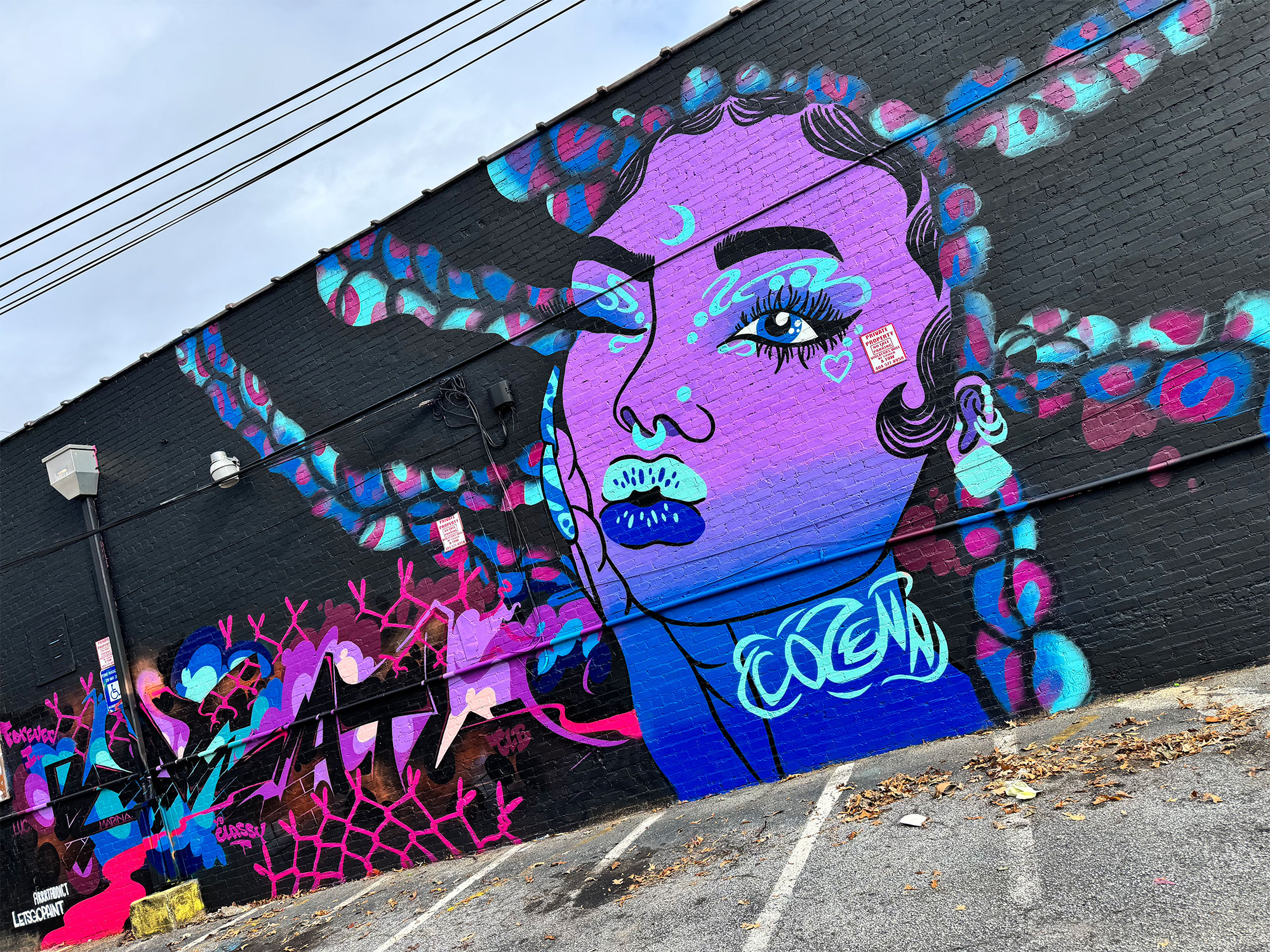
Pop Art
Pop art murals use bold graphics and references to popular culture to create immediate visual recognition.
Retail, entertainment, youth-oriented developments
Portrait
Public-facing facades, cultural districts
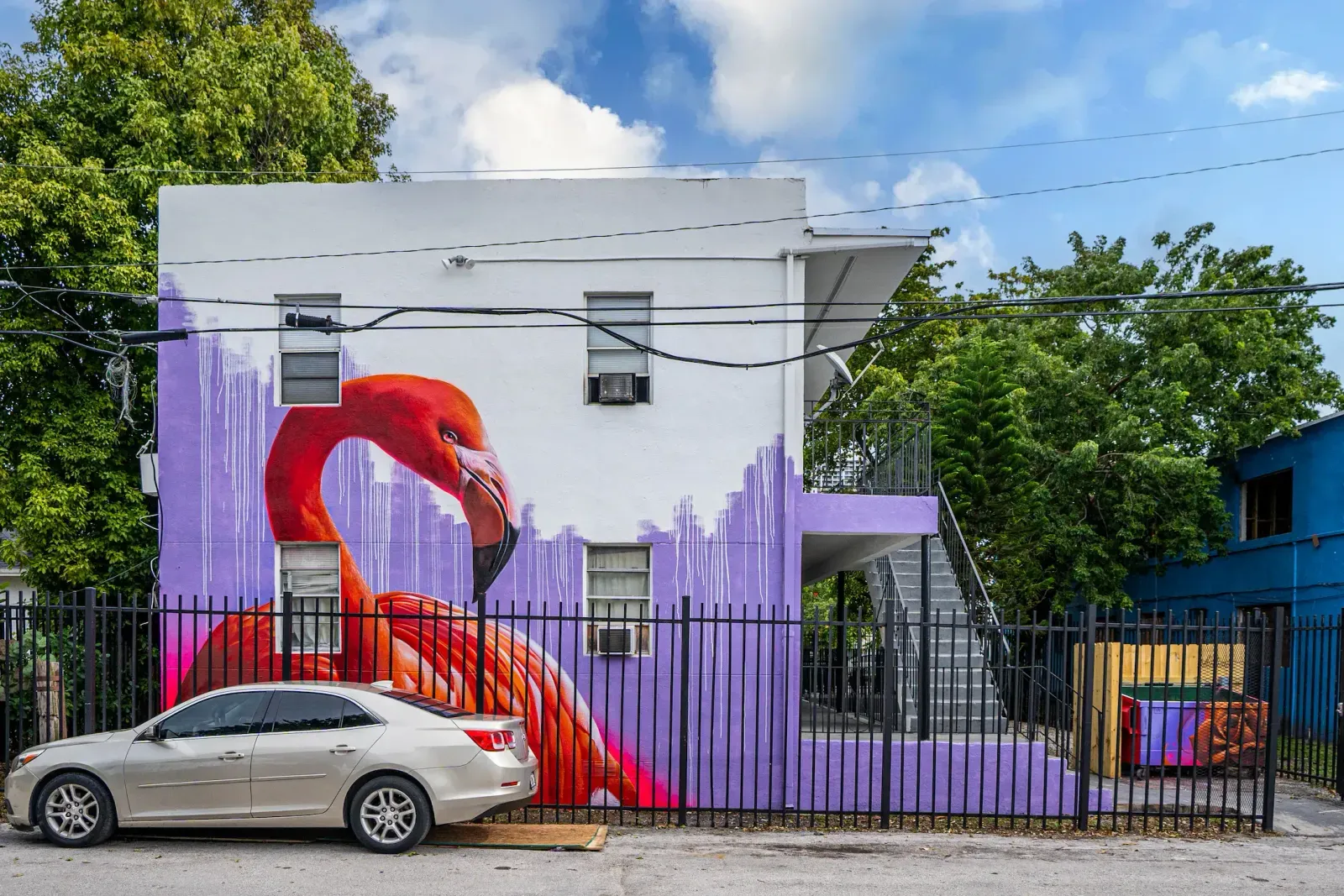
Realism
Landmark projects, culturally significant sites
Surrealism
Surrealist murals explore dreamlike or unexpected imagery that challenges conventional logic.
Creative districts, statement walls
Typography
Typography murals use text as the primary visual element, balancing readability with artistic expression.
Branding walls, messaging zones